
Art has always changed as people have changed, as cultures have changed, and as tools have changed. Creative expression shows how we see the world around us, from early drawings of animals on cave walls to digital works of art made by algorithms. Three important ideas stand out on this journey: zoo art, art nouveau, and AI art. Each one is from a different time, yet they all have a strong link to nature, shape, and imagination. For a long time, artists have used animals, plants, and natural movement as inspiration to turn reality into visual storytelling. Older movements used hand-drawn accuracy and symbols, but modern innovators are using computers more and more. These styles show how creativity may change without losing its core. We can better understand the past and future of visual culture by learning how ancient ideas work with current instruments. The combination of natural beauty and technical progress has a big impact on the art world today.
Comprehending the Notion of Art of Zoo in Visual Culture
Art of zoo is all about making art that is inspired by animals, their habitats, and the way people and nature interact. It’s not about the show; it’s about seeing, respecting, and sharing stories via shape and color. Artists utilize animals to show strength, freedom, fragility, or balance in ecosystems. You can see these topics in paintings, drawings, murals, and digital art. By putting animals in controlled or made-up places, producers draw attention to biodiversity, coexistence, and conservation. This kind of art typically makes people think about what humans owe to nature. These kinds of art, whether they are realistic or abstract, show emotion through posture, texture, and movement. This genre has grown throughout time to include internet platforms as well as traditional ones. This has made it possible for people all over the world to connect with wildlife-inspired art in new and important ways.
The history of art movements that are inspired by nature
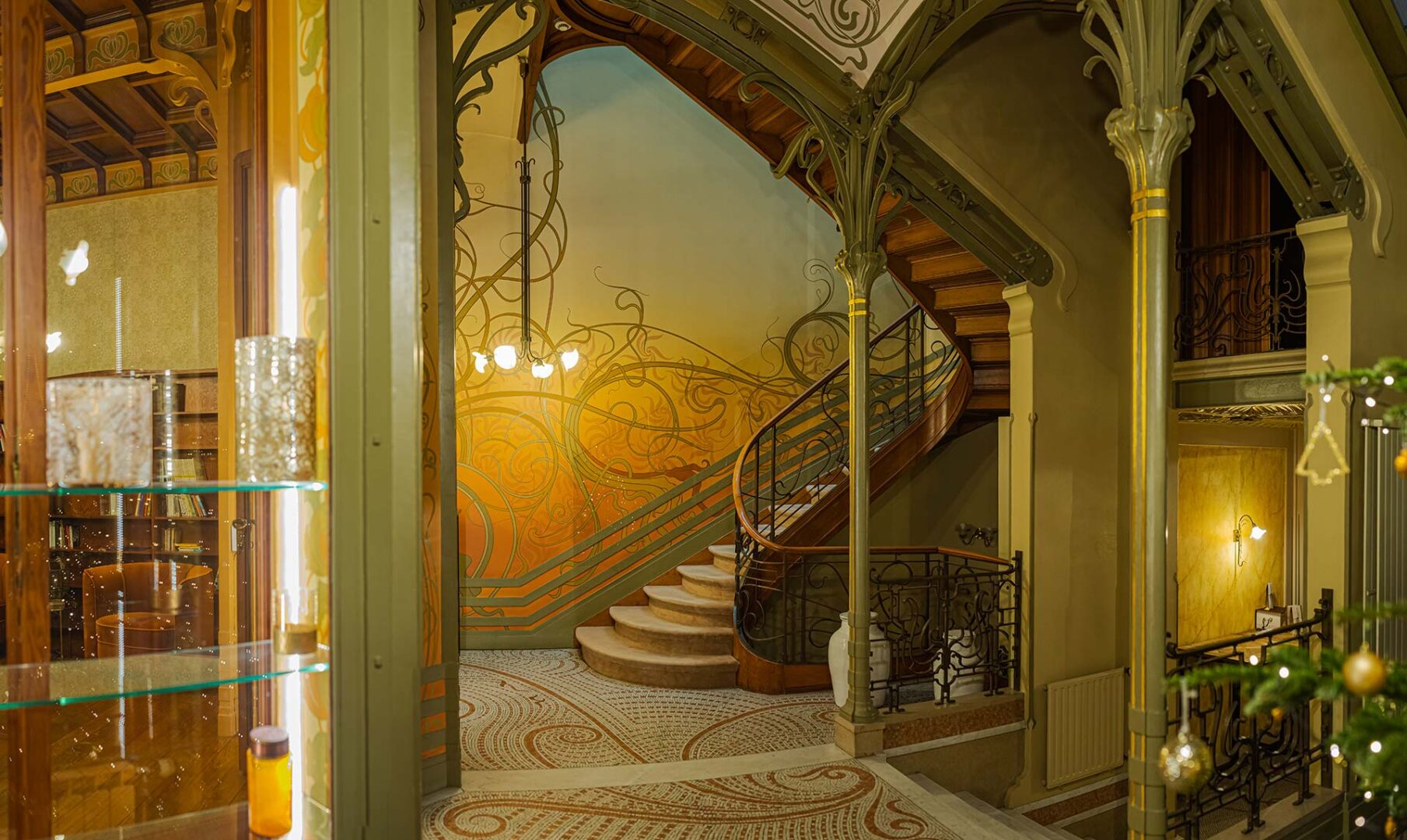
Artists have always looked to nature for inspiration, even before there were contemporary tools. Animals and plants were common in ancient sculptures, medieval texts, and Renaissance paintings. Art nouveau, a movement characterized by flowing lines, organic shapes, and visual harmony, represented the height of this interest in the late 1800s. Artists turned away from straight lines and instead used curves that were inspired by plants, birds, and bugs. Nature was not only a topic but also a guiding philosophy. This kind of thinking changed architecture, furniture, posters, and fine art. The trend praised craftsmanship and attention to detail by combining beauty with utility. You can still witness the effects of this style today, which shows that creativity based on nature never really goes away; it just changes over time and in different situations.
Main Features That Make Up the Art Nouveau Style
You can tell it’s art nouveau by its elegance, rhythm, and natural movement. Artists liked things that were not symmetrical, had long, wavy lines, and used patterns from flowers, vines, and animals. Instead of rough edges, the designs flowed smoothly, making the topic and background feel like one. This kind of thinking showed that they thought art should be open and immersive, not just for galleries. People started using everyday things like posters, book covers, and other things as canvases for their art. The movement also stressed how art and life should work together, making everyday things more beautiful. Even now, designers use similar ideas to make modern images look softer and more emotional. This design has a lasting appeal because it can mix ornamentation with purpose.
The Rise of AI Art in the Digital Age
Technology has changed how people are creative, and ai art is one new way to do it. Artists no longer utilize brushes and chisels to make pictures; instead, they employ algorithms, datasets, and prompts. AI looks at patterns in huge amounts of visual data and makes new compositions based on what the user says. This technique questions what we usually think of as authorship and creativity. Some people regard it as a tool, while others consider it as a partner. What is still obvious is its effect: making art is now faster, easier to get to, and more experimental. Artists can now try out styles, ideas, and combinations that were not conceivable before. This way of thinking still affects design, advertising, entertainment, and fine art around the world as digital platforms proliferate.
Combining AI art with creativity based on animals
When AI art and animal themes come together, the results are frequently very interesting and creative. Digital creators now look at animals in new ways, mixing realism with abstraction. This new way of doing things is similar to art of zoo, but it is more flexible and can be done on a larger scale. Artists can make whole ecosystems, hybrid animals, or strange places to live that make people want to talk about them. These pictures are shared a lot on social media and in digital galleries, which helps nature-inspired stories reach more people. At the same time, designers need to be careful with how they use technology so that it doesn’t lose its emotional depth. Combining computation with compassion can lead to works of art that are both visually stunning and raise awareness about environmental and wildlife issues.
Examining the Differences Between Traditional Styles and Modern Digital Expression
There are interesting differences between historical movements and modern tools. Art nouveau was based on careful handwork and personal style, but AI art is based on data, chance, and repetition. One values taking time to create, while the other values trying things out quickly. But both of them respect harmony, composition, and getting ideas from nature. Many artists today mix these forms by employing digital technologies to make flowing lines and organic patterns that look like older styles. This hybrid strategy connects hundreds of years of creation and shows that new ideas don’t get rid of old ones; they change them. The conversation between the past and the present continues to affect how people encounter visual storytelling today.
Questions about AI-generated art that are both moral and creative
As AI art grows more popular, problems about ethics come up. Who owns the art: the programmer, the user, or the machine? How should artists give credit to the original sources they utilized to train algorithms? These worries are important, especially as digital art becomes more popular in stores. To keep trust and originality, it’s important to be open and use things responsibly. Artists also need to find a balance between being efficient and being intentional. Technology should make it easier to be creative, not take the place of deep thought. When artists see AI as a tool instead than a way to get things done faster, they can make sure that meaning, emotion, and respect for other cultures stay important in their work.
The Future of Nature-Inspired Art in All Forms
Thoughtful integration is the way forward for creative expression in the future. Artists are more and more mixing zoo-themed work with modern styles, taking cues from art nouveau and employing cutting-edge methods to reach people all over the world. This coming together makes for more in-depth stories and a bigger effect. As technology changes, artists will keep finding new ways to look at nature and make experiences that are both educational and inspiring. Art that is based on nature, whether it is made by hand or on a computer, will always be important because it shows how people are connected to the living world. Innovation and tradition will work together to shape the next generation of visual culture.
In conclusion, creativity goes beyond time and tools.
Art keeps changing, but its basic goal stays the same: to express, connect, and inspire. There are many different ways to be creative, from art that honors wildlife in zoo depictions to the eternal beauty of art nouveau and the experimental possibilities of ai art. They show that art may be made in any time or place. Instead, it changes, taking in new techniques while keeping its emotional depth. By grasping these links, both artists and audiences can better comprehend how tradition and new ideas can work together. The future of art is not about picking between old and new, but about mixing them together with purpose and creativity.