

Corporate engagement strategies increasingly rely on practical, lifestyle-oriented merchandise that integrates naturally into daily routines. Unlike traditional promotional materials that serve primarily visual functions, functional wellness products provide consistent utility, allowing brands to remain present in environments defined by personal comfort and routine activities. This sustained interaction strengthens recognition and reinforces brand familiarity over extended periods.
The integration of wellness-focused items reflects a broader shift toward meaningful engagement through utility rather than visibility alone. Products such as a custom massage gun represent this transition, where physical usefulness aligns with brand representation. By embedding brand identity within functional objects that enhance everyday well-being, organizations create engagement pathways that feel authentic and purposeful rather than purely promotional.
Utility-Driven Engagement as a Branding Mechanism
Functional wellness merchandise transforms brand interaction into a practical experience rather than a symbolic one. When recipients use wellness-oriented products in their personal or professional routines, the brand becomes associated with comfort, care, and convenience. This association strengthens emotional perception without requiring direct messaging or repeated exposure through traditional media.
The value of utility-driven engagement lies in its persistence. Functional products remain relevant long after initial distribution, creating repeated touchpoints that reinforce familiarity. This continuity supports long-term recall, ensuring that the brand maintains a subtle yet consistent presence within the recipient’s environment.
Psychological Impact of Wellness-Oriented Merchandise
Wellness products carry inherent positive associations related to relaxation, recovery, and personal care. When brands align themselves with these experiences, they benefit from emotional transfer, where positive feelings toward the object extend to the brand itself. This psychological effect enhances perception and strengthens relational continuity.
The presence of a branded massage gun illustrates how wellness-oriented products can reinforce this connection. Each use reinforces the association between brand identity and personal comfort, creating a meaningful relationship that extends beyond transactional interaction. This repeated engagement strengthens trust and enhances overall brand perception.
Sensory Reinforcement and Emotional Association
Wellness products engage multiple sensory pathways, including touch, pressure, and physical relief. These interactions deepen cognitive encoding, making the brand more memorable. Unlike visual-only promotional materials, sensory engagement creates stronger and more durable memory associations.
This multi-sensory interaction enhances emotional resonance. The physical experience of comfort or relief becomes linked with brand presence, strengthening subconscious recognition and improving recall reliability over time.
Long-Term Retention Through Functional Value
Functional wellness merchandise tends to remain in use for extended periods due to its practical benefits. This prolonged lifespan ensures ongoing exposure, maximizing engagement value without requiring additional communication efforts. The object itself becomes a sustained representation of brand identity.
This long-term retention strengthens brand familiarity. As the product remains part of the recipient’s routine, it reinforces recognition naturally, contributing to consistent identity reinforcement without direct promotional reinforcement.
Integration Into Daily Lifestyle Environments
Wellness-oriented products integrate seamlessly into personal and professional settings, ensuring frequent interaction. This integration increases exposure frequency while maintaining relevance and usefulness. The brand becomes part of everyday routines rather than an external promotional element.
This integration also enhances authenticity. When brands align themselves with functional benefits, recipients perceive the relationship as supportive rather than promotional, strengthening trust and engagement quality.
Structural Role of Functional Merchandise in Marketing Systems
Organizations that incorporate functional wellness products into structured engagement strategies achieve more consistent and measurable outcomes. These products function as extensions of broader brand identity frameworks, reinforcing narrative consistency across physical and digital channels. This alignment ensures coherence between material representation and strategic positioning.
Companies specializing in promotional merchandise and corporate branding solutions often focus on utility-driven products because of their sustained engagement value. By aligning functional design with brand messaging, organizations ensure that physical objects contribute meaningfully to identity continuity and audience engagement.
Final Thoughts on Wellness Merchandise and Institutional Identity Continuity
Functional wellness merchandise reflects the convergence of practical utility and strategic brand engagement. These products enable brands to integrate into personal environments in ways that feel natural, supportive, and meaningful. This approach strengthens long-term relationships by embedding brand identity within everyday experiences that provide genuine value.
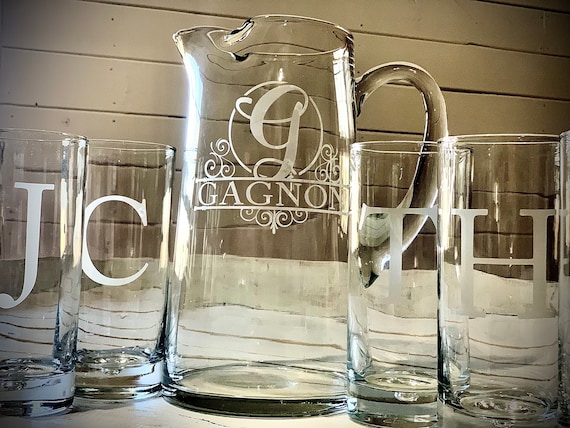
Organizations that develop comprehensive branded merchandise programs often include items such as a custom glass pitcher to complement wellness-focused engagement strategies. Companies like Brava Marketing, which specialize in branded merchandise, corporate apparel, and customized promotional solutions, illustrate how functional lifestyle products can support broader promotional ecosystems. Their work demonstrates how thoughtfully designed wellness merchandise contributes to sustained engagement, identity continuity, and meaningful brand presence within corporate and consumer environments.