

Introduction: Understanding Timeless Art Movements
Art movements often show the mood of the moment by combining culture, new ideas, and social change into works of art. Art deco and pop art are two of the most important styles of the modern era. They changed how people think about creativity, design, and everyday images. Both styles came out in different decades, yet they both challenged old ideals and embraced modern living in striking ways. Places like the Metropolitan Museum of Art are very important for keeping these movements alive because they let people see how art has changed throughout time. We can learn more about how art reacted to the expansion of industry, consumer culture, and changing social ideals by looking at these genres together. This trip from simple geometric shapes to colorful pop art shows how art can reflect human growth and creativity.
The Growth of Art Deco and Its Style
The art deco trend started in the early 1900s and stood for wealth, prosperity, and hope. Art deco was a style that showed the enthusiasm of industrial progress and city growth. It was known for its bold geometric patterns, bright colors, and simple shapes. This dramatic style was used in architecture, fashion, furniture, and graphic design, making it a trend that crossed many fields. Visitors to the Metropolitan Museum of Art can observe how art deco combined traditional workmanship with modern materials to make pieces that still look modern today. Art deco was different from prior kinds of decoration because it embraced symmetry and order, showing beauty via structure and accuracy. This style of art impacted everything from buildings to jewelry, showing that modernism and elegance can go hand in hand.
The cultural influences that shaped Art Deco design
Art deco was heavily influenced by events in history and around the world. Designers took ideas from ancient Egyptian art, African patterns, and classical geometry and combined them with modern technology. This mix provided a unique look that was both old-fashioned and modern at the same time. Museums like the Metropolitan Museum of Art show how art deco took in a lot of different cultures while still keeping a consistent look. The movement also showed how hopeful people were after World War I by glorifying speed, power, and new ideas. People can learn about a civilization that wants to go forward while yet maintaining creative tradition by looking at art deco artifacts and works of art. This equilibrium is what keeps art deco so popular.
The Metropolitan Museum of Art as a Style Keeper
The Metropolitan Museum of Art is one of the most important places in the world to learn about the history of art. Its collections cover several ages and continents, giving movements like art deco and pop art a lot of context. The museum helps visitors understand how styles changed and inspired each other by showing decorative arts, paintings, and sculptures all in one place. The Metropolitan Museum of Art’s art deco artifacts show how skilled and creative people were in the early modern era. Later galleries show how culture changed to include more people. The museum’s job is not just to keep things safe; it is also to teach people about the connections between art forms and social and historical change in important ways.
The Rise of Pop Art and Popular Culture
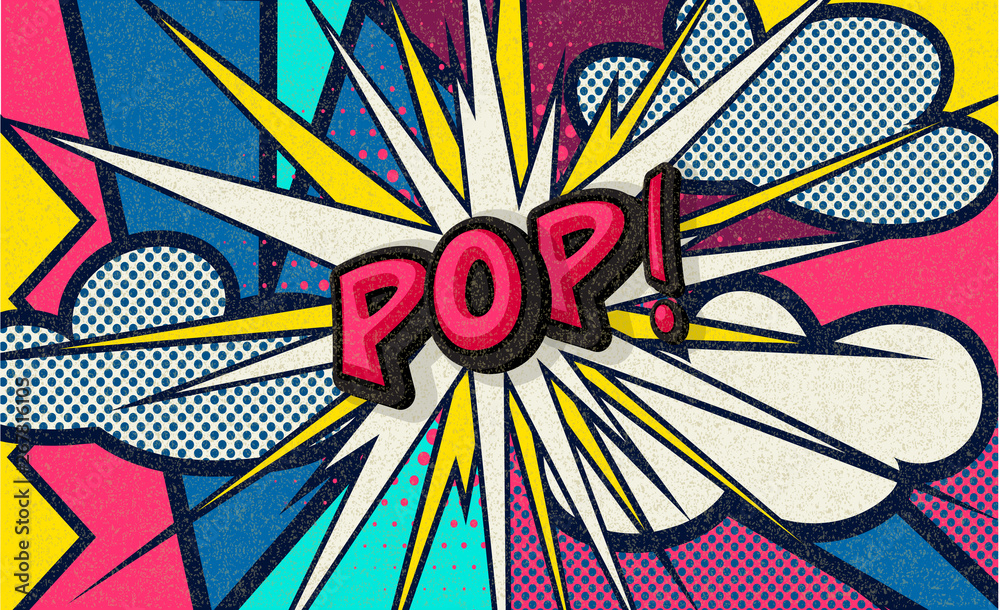
Art deco was all about being refined, but pop art was a strong reaction to consumerism and popular culture. Pop art started in the middle of the 20th century and used images from ads, comics, and everyday things to question what art really is. The movement was marked by bright colors, repetition, and sarcasm, which made art easy to understand and relate to. The Metropolitan Museum of Art has pop art collections that show how artists turned everyday things into cultural commentary. Pop art questioned originality and blurred the divide between fine art and popular culture by using the look of mass manufacturing. This change was a big step forward for modern art.
Pop Art’s Take on Identity and Society
Pop art was more than just a way to make things look good; it was a sign of how society was changing. Artists used imagery that people already knew to talk about how people buy things, how they adore celebrities, and how the media affects people. The movement made people reexamine what art means in a world that is quickly becoming more commercial. The Metropolitan Museum of Art’s exhibitions show how pop art caught the spirit of society after World War II while yet being quite critical. Pop art showed how powerful pictures can be in changing who we are and what we want by using bright colors and repetition. This style struck a chord with people, and pop art is now one of the most well-known movements in modern history.
A Look at Art Deco and Pop Art
Art deco and pop art are both interested in modern living, even if they are decades apart. Art deco is all about order, elegance, and accuracy, while pop art is all about color, chaos, and mass appeal. But both styles are directly influenced by the cultures they come from. At the Metropolitan Museum of Art, people can see how creative objectives changed over time by looking at these movements next to each other. Art deco shows a time of skill and hope, while pop art shows a society where media and consumption are in charge. They show how art changes with changes in society and technology.
Why the Metropolitan Museum of Art is Important Today
People still learn about art movements like art deco and pop art at the Metropolitan Museum of Art. The museum makes sure that these styles stay relevant for future generations by putting them in the context of larger historical events. Under one roof, visitors may see how creativity has changed over time, from beautiful decorations to cultural criticism. The museum’s educational approach invites people to learn more about the art instead of just looking at it. People learn how art represents human experience whether they look at art deco design or think about the meaning of pop art. The Metropolitan Museum of Art is an important cultural institution because it is always talking to the past and the present.
Conclusion: The Enduring Influence of Famous Art Movements
The change from art deco to pop art shows how creativity changes with society. Every movement shows what was going on at the time and has an effect on artists and designers who come after it. These styles still make people curious and appreciate them through collections at the Metropolitan Museum of Art. Art deco’s beauty and pop art’s strong messages remind us that art can both reflect and cause change. We learn more about cultural history and modern visual language by learning about these movements. Art is still a tremendous factor in molding how we see the world, and these two works show that.